Archives
- 2026-04
- 2026-03
- 2026-02
- 2026-01
- 2025-12
- 2025-11
- 2025-10
- 2025-09
- 2025-03
- 2025-02
- 2025-01
- 2024-12
- 2024-11
- 2024-10
- 2024-09
- 2024-08
- 2024-07
- 2024-06
- 2024-05
- 2024-04
- 2024-03
- 2024-02
- 2024-01
- 2023-12
- 2023-11
- 2023-10
- 2023-09
- 2023-08
- 2023-06
- 2023-05
- 2023-04
- 2023-03
- 2023-02
- 2023-01
- 2022-12
- 2022-11
- 2022-10
- 2022-09
- 2022-08
- 2022-07
- 2022-06
- 2022-05
- 2022-04
- 2022-03
- 2022-02
- 2022-01
- 2021-12
- 2021-11
- 2021-10
- 2021-09
- 2021-08
- 2021-07
- 2021-06
- 2021-05
- 2021-04
- 2021-03
- 2021-02
- 2021-01
- 2020-12
- 2020-11
- 2020-10
- 2020-09
- 2020-08
- 2020-07
- 2020-06
- 2020-05
- 2020-04
- 2020-03
- 2020-02
- 2020-01
- 2019-12
- 2019-11
- 2019-10
- 2019-09
- 2019-08
- 2019-07
- 2019-06
- 2019-05
- 2019-04
- 2018-11
- 2018-10
- 2018-07
-
We have shown that an extensive region in SERBP
2024-10-12
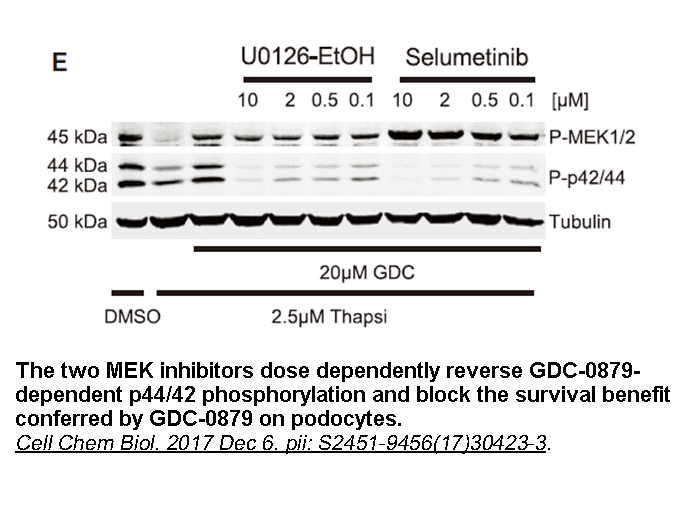
We have shown that an extensive region in SERBP1 (amino acids 354 to 474, using co-ordinates based on the full-length isoform, Figs. 1a and 2) is necessary for it to interact with RACK1; since this region has substantial homology to the corresponding region of HABP1 (Fig. 3) it is a reasonable hypot
-
Although the gene that encodes DHFR has been strongly
2024-10-12
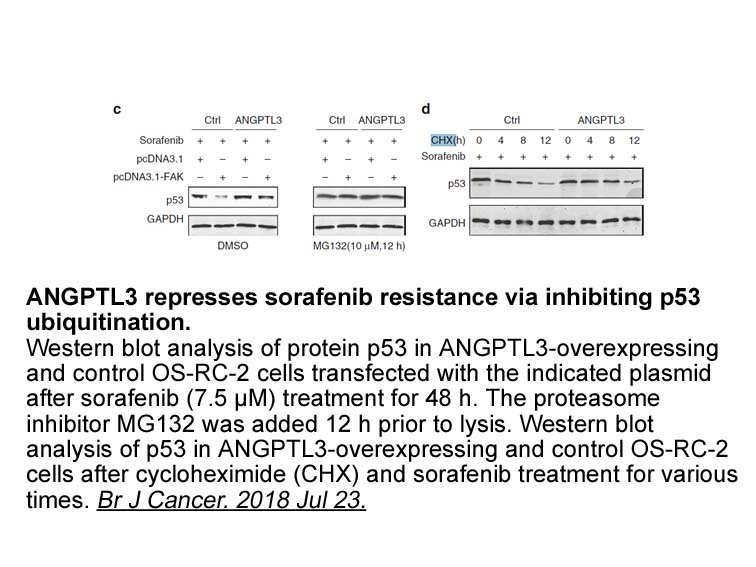
Although the gene that encodes DHFR has been strongly conserved during evolution, subtle differences in the active sites of bacterial, human and parasite darolutamide receptor have been exploited to develop DHFR inhibitors specific to particular pathogens 1, 3. For example, pyrimethamine and cyclog
-
The lack of specific PARP inhibitors prevents our understand
2024-10-11
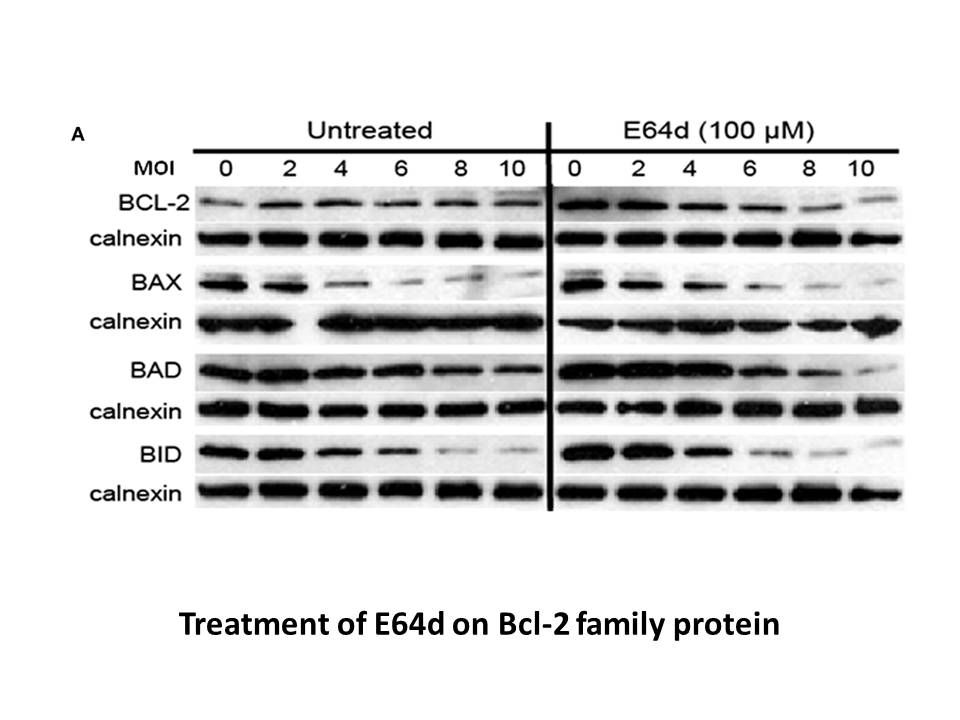
The lack of specific PARP inhibitors prevents our understanding of how TIPARP or perhaps other PARPs affect AHR signaling. Current inhibitors are based on NAM and were designed to inhibit PARP1 [59]. Many of them do not effectively inhibit mono-ADP-ribosyltransferases and their ability to inhibit TI
-
mek inhibitor br ABCA modulates intracellular sphingolipid m
2024-10-11

ABCA2 modulates intracellular sphingolipid metabolism in the LE/LY Recycling of plasma membrane lipids that occurs by constitutive endocytosis and vesicularization of complex glycolipids, complex sphingolipids and cholesterol as well as free cholesterol liberated from LDL after receptor-mediated
-
(R,S)-Anatabine The putative physiological meaning of epinep
2024-10-11
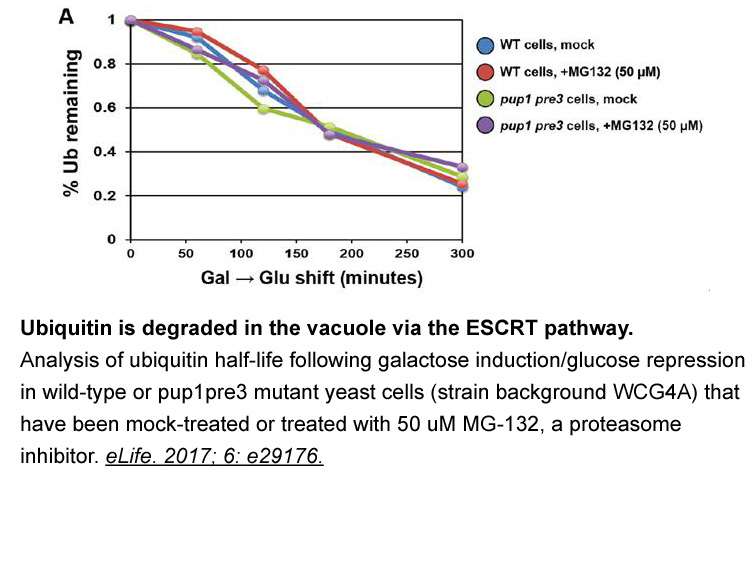
The putative physiological meaning of epinephrine-related hepatic drug transporter regulation remains to be established. It is nevertheless noteworthy that the catecholamine rather decreases expression of sinusoidal SLC transporters like NTCP, OAT2, OAT7, OCT1, OATP1B1 and OATP2B1 whereas those of c
-
br Acknowledgements br Introduction Autoantibodies
2024-10-11

Acknowledgements Introduction Autoantibodies directed at neurotransmitter receptors and ion channels are pathogenic and/or biomarkers in several autoimmune neurological diseases [1]. For example, autoantibodies directed against voltage-gated potassium channels, the P/Q-type (α1A) voltage-gated
-
ACh induced changes in respiratory frequency could
2024-10-11
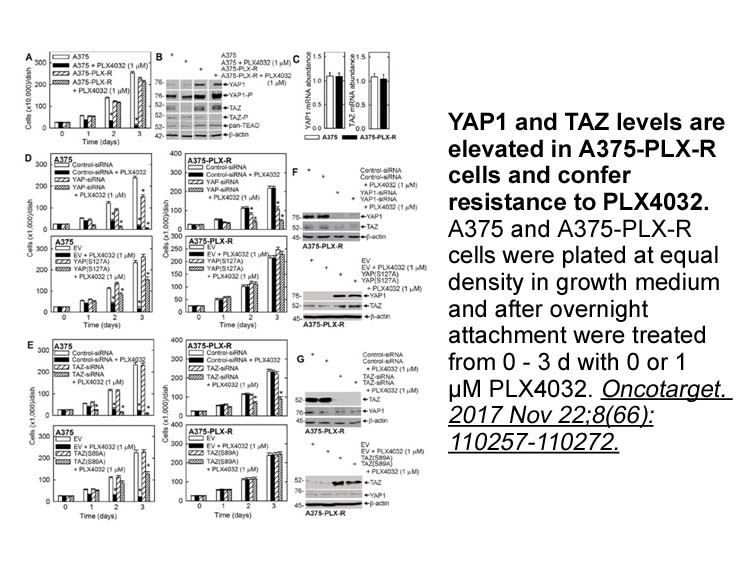
ACh-induced changes in respiratory frequency could be of interest. They may reveal an important mechanism of respiratory modulation at the caudal NTS level. ACh-induced increases in respiratory frequency within this region have been also reported by Furuya et al. (2014). Changes in respiratory timin
-
ACh induced changes in respiratory frequency could
2024-10-11
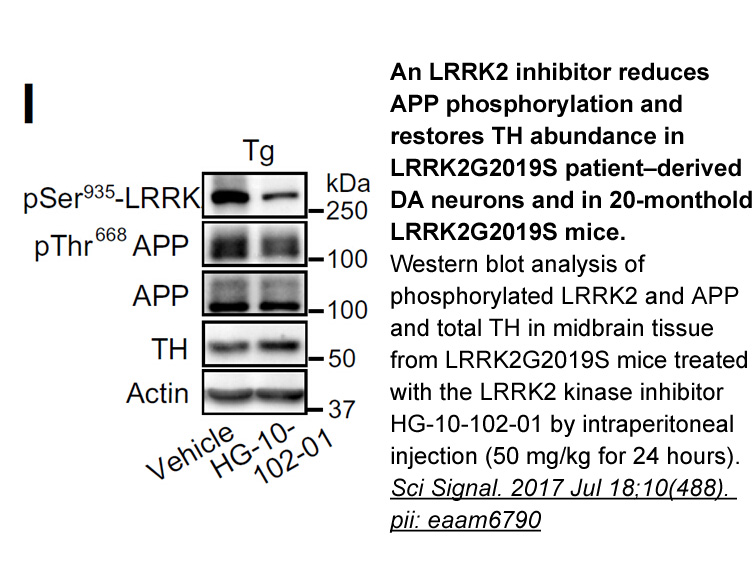
ACh-induced changes in respiratory frequency could be of interest. They may reveal an important mechanism of respiratory modulation at the caudal NTS level. ACh-induced increases in respiratory frequency within this region have been also reported by Furuya et al. (2014). Changes in respiratory timin
-
An alternative to the agonist or antagonist
2024-10-11

An alternative to the agonist or antagonist potential in drug discovery is the positive allosteric modulator (PAM) approach, which can augment the normal processes of neurotransmission as opposed to directly replacing or antagonizing them. PAMs are thought to bind to sites that are distinct from the
-
Introduction Cancer which is responsible
2024-10-11
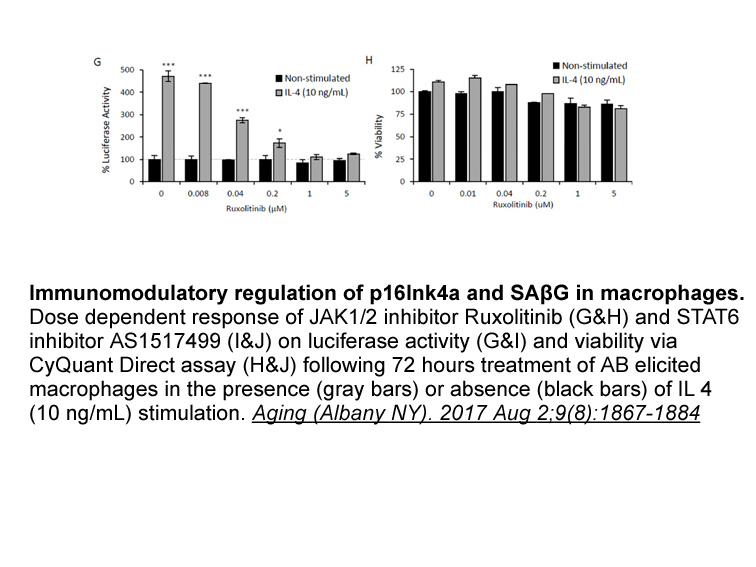
Introduction Cancer, which is responsible for a million deaths each year, is universally feared, and approximately 50% of newly diagnosed cases can be cured [1]. The existing cancer treatments, including surgery, chemotherapy, radiotherapy or a combination of them, are quickly losing efficacy. The
-
br Dual role of autophagy in human diseases Emerging
2024-10-11

Dual role of autophagy in human diseases Emerging evidence suggests that autophagy serves as a double-edged sword in several human diseases, such as CNS diseases (Rubinsztein et al., 2015), arteriosclerosis (Schrijvers et al., 2011) and cancer (Ozpolat and Benbrook, 2015). Likewise, currently the
-
Because serum ATX activity and plasma LPA are well
2024-10-11

Because serum ATX activity and Gabapentin mg LPA are well correlated with liver fibrosis stage histologically, both of these parameters merit consideration as novel markers of fibrosis. However, serum ATX activity may be a more useful test from a clinical laboratory perspective. First, LPA can incr
-
Taking together findings from our study and that from the
2024-10-11
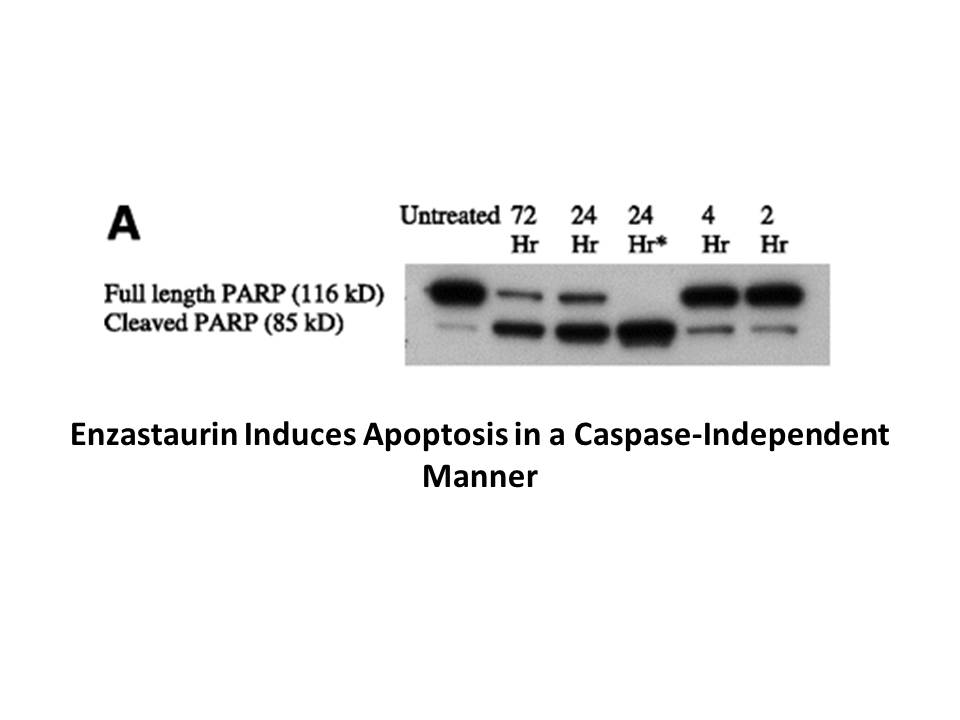
Taking together findings from our study and that from the literature, we propose a model (to be experimentally confirmed) of possible intracellular mechanism of NA-induced regulation of Na-K ATPase subunit expression (Fig. 8). NA acting on α1-AR modulates the α1- and α3-subunit expressions of Na-K A
-
We also showed that steatosis
2024-10-10
We also showed that steatosis induced an additional increase of ASK1 activation that was associated to the exacerbation of hepatocyte and liver damage and was unrelated to ER stress. Indeed, several settings, also different to ER stress, can induce ASK1 activation and many of them involve oxidative
-
br Experimental procedures br Results
2024-10-10
Experimental procedures Results Discussion Although previous studies have indicated that astrocyte aromatase plays a role in nociceptive processes (O'Brien et al., 2015, Smeester et al., 2016), the mechanisms responsible for the regulation of aromatase and its involvement in nociception rem
15923 records 83/1062 page Previous Next First page 上5页 8182838485 下5页 Last page