Archives
- 2026-04
- 2026-03
- 2026-02
- 2026-01
- 2025-12
- 2025-11
- 2025-10
- 2025-09
- 2025-03
- 2025-02
- 2025-01
- 2024-12
- 2024-11
- 2024-10
- 2024-09
- 2024-08
- 2024-07
- 2024-06
- 2024-05
- 2024-04
- 2024-03
- 2024-02
- 2024-01
- 2023-12
- 2023-11
- 2023-10
- 2023-09
- 2023-08
- 2023-06
- 2023-05
- 2023-04
- 2023-03
- 2023-02
- 2023-01
- 2022-12
- 2022-11
- 2022-10
- 2022-09
- 2022-08
- 2022-07
- 2022-06
- 2022-05
- 2022-04
- 2022-03
- 2022-02
- 2022-01
- 2021-12
- 2021-11
- 2021-10
- 2021-09
- 2021-08
- 2021-07
- 2021-06
- 2021-05
- 2021-04
- 2021-03
- 2021-02
- 2021-01
- 2020-12
- 2020-11
- 2020-10
- 2020-09
- 2020-08
- 2020-07
- 2020-06
- 2020-05
- 2020-04
- 2020-03
- 2020-02
- 2020-01
- 2019-12
- 2019-11
- 2019-10
- 2019-09
- 2019-08
- 2019-07
- 2019-06
- 2019-05
- 2019-04
- 2018-11
- 2018-10
- 2018-07
-
AMPK is an essential player
2023-10-07
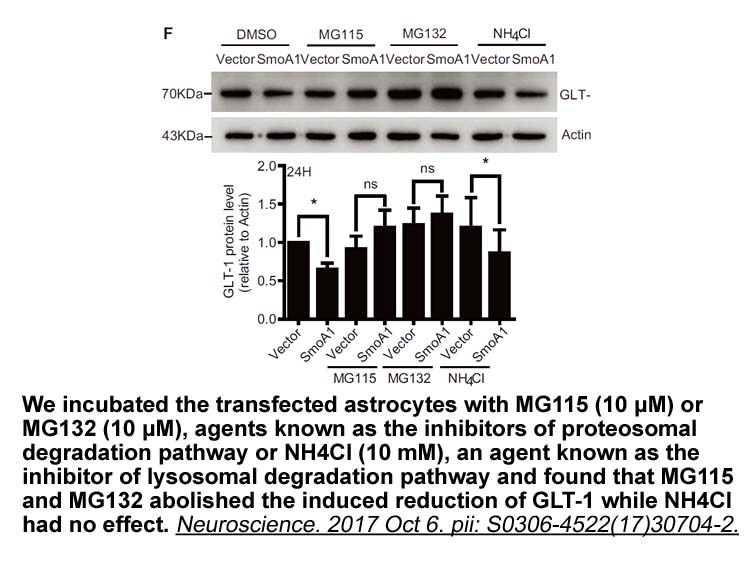
AMPK is an essential player in adiponectin signaling pathway that regulates energy metabolism. The fact that suppression of AMPK activity by compound C largely diminished candesartan-mediated inhibition of NFκB via blocking AT1 also suggests that the AT1-mediated effect is at least partly resulted f
-
br Acknowledgement This work was supported by grants
2023-10-07
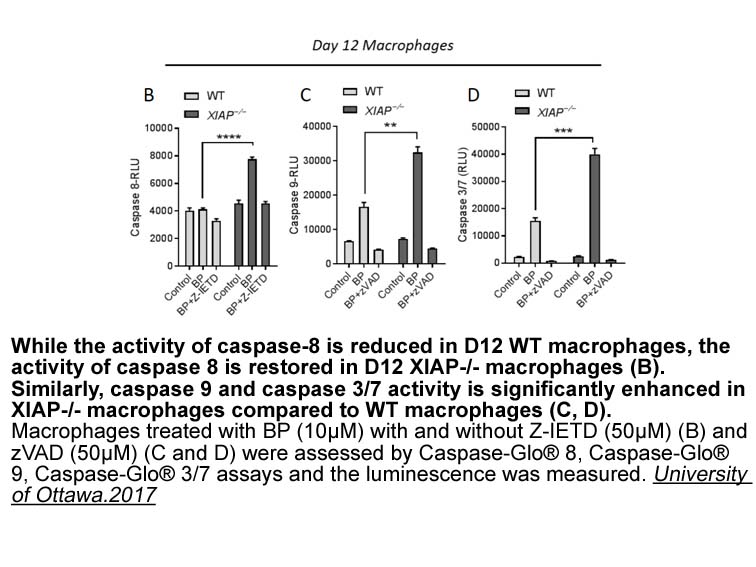
Acknowledgement This work was supported by grants from the American Heart Association Scientist Development Grant (SDG) to A. Elmarakby and 1R01EY023315-01 award to M. Al-Shabrawey. Introduction Inflammatory response is the result of a complex interaction between immune JNK-IN-8 and several
-
Adenosine is a ubiquitous homeostatic purine
2023-10-07

Adenosine is a ubiquitous homeostatic purine nucleoside that accumulates extracellularly in response to metabolic stresses such as hypoxia and inflammation. Activation of either G protein-coupled adenosine receptors (ARs; A1R, A2AR, A2BR, and A3R) by extracellular adenosine can modulate cell signali
-
Recent studies have demonstrated significant cross talk betw
2023-10-07
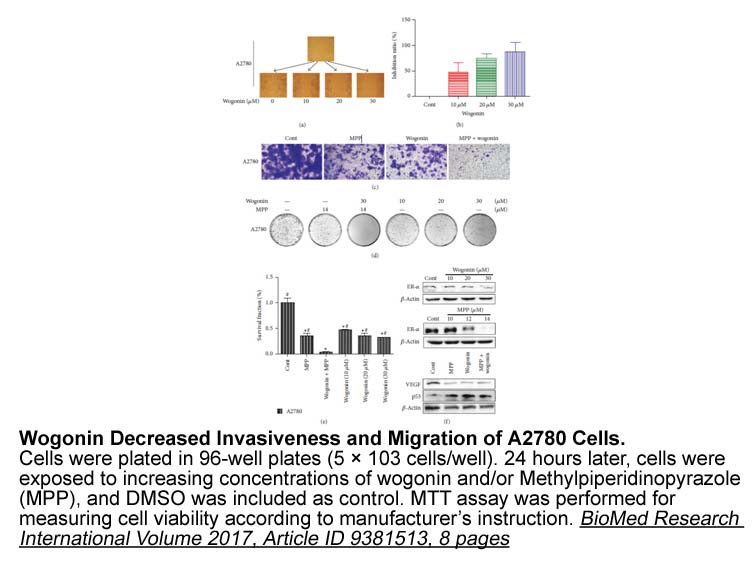
Recent studies have demonstrated significant cross-talk between XRCC1 (a key player in galanin receptor excision repair (BER) and single strand break repair) and DDR [30], [31], [32]. ATM and DNA-PKcs are known to be involved in the phosphorylation of XRCC1 to promote BER [30], [31]. We have recent
-
GM6001 The following are the supplementary data related to
2023-10-07
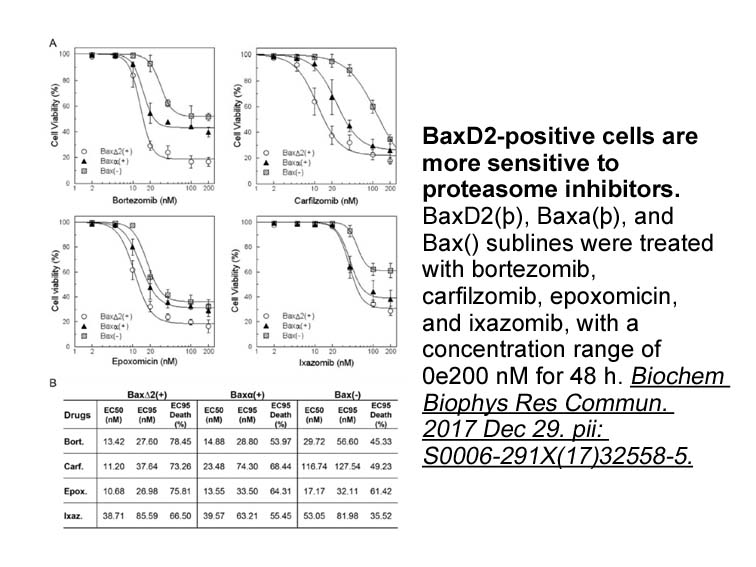
The following are the supplementary data related to this article. Competing interest Ethics approval and consent to participate Authors' contributions Acknowledgements The authors thank Dr. D. R. Kaplan for kind advice and materials derived from NB primary cell lines, Dr. F. D. Miller f
-
Previous investigations have established that
2023-10-07
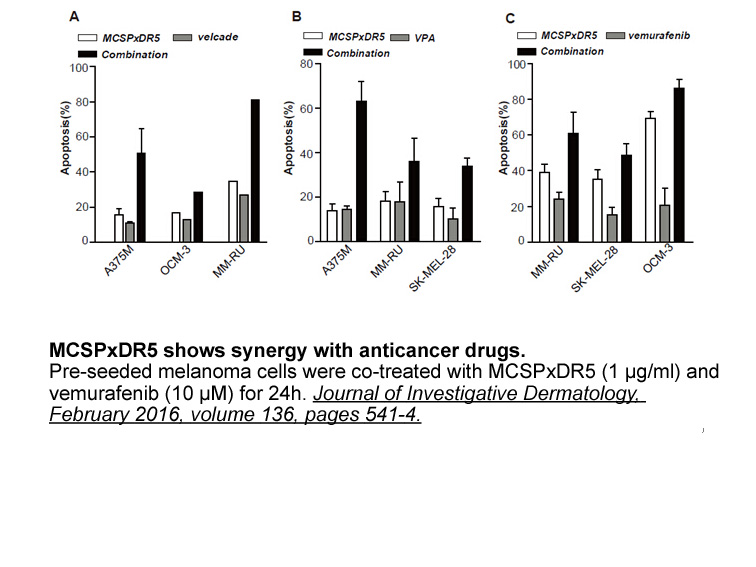
Previous investigations have established that aromatase activity is regulated via two different pathways in a tissue-specific manner. The first is a slower transcription regulatory pathway that involves an alteration in gene transcription and represents what is classically thought of as the way by w
-
br Results br Discussion Although the value of ID specialist
2023-10-07
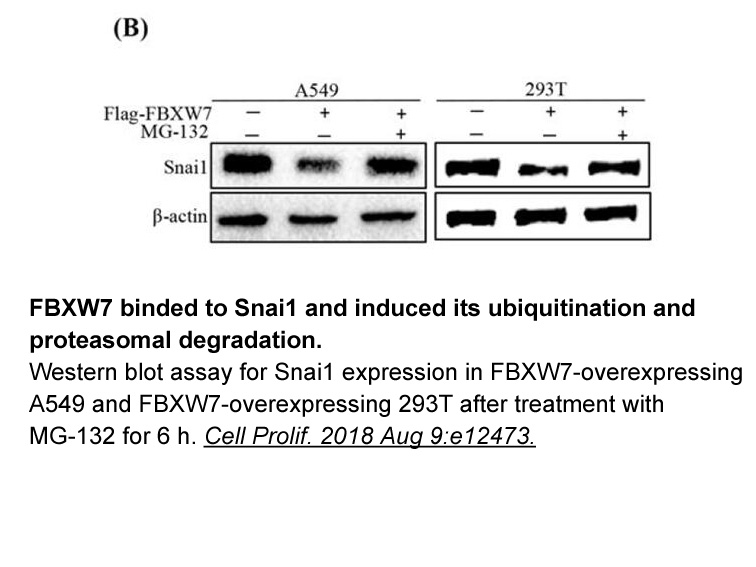
Results Discussion Although the value of ID specialists in the USA has already been described in the literature, this study suggests that the same holds true for the Japanese healthcare environment [7], [17], [18], [19]. Valerio et al. reported that antifungal use in DDD decreased from 66.4 pe
-
br Results and discussion In order to investigate the
2023-10-07

Results and discussion In order to investigate the assembly dynamics and aggregate structures of Aβ16-22, twelve molecular systems with the number of peptides varying from 1 to 12 were studied. In all simulations, the same peptide concentration (~15 mM) was maintained by adjusting the dimensions
-
br Obstructing SNARE zippering Sharma
2023-10-07
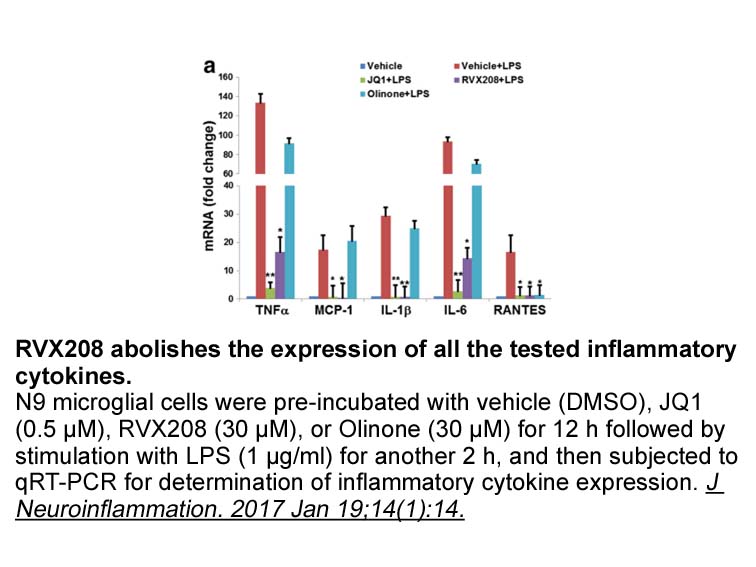
Obstructing SNARE “zippering” Sharma et al. demonstrated for the first time that in the postmortem AD brains, the level of SNARE complex formation, which is necessary for driving synaptic vesicle fusion at the presynaptic active zone, is significantly reduced [123]. In the absence of changes in e
-
Since HETEs and lipoxins the downstream products of
2023-10-07

Since HETEs and lipoxins, the downstream products of 12/15-LOX from AA, may alter cellular proliferation and apoptosis,31, 32 and possibly explain the increase of tumour progression and metastasis. However, we here found that HETEs did not affect the proliferation of melanoma in vitro. This may part
-
Based upon these findings the
2023-10-07
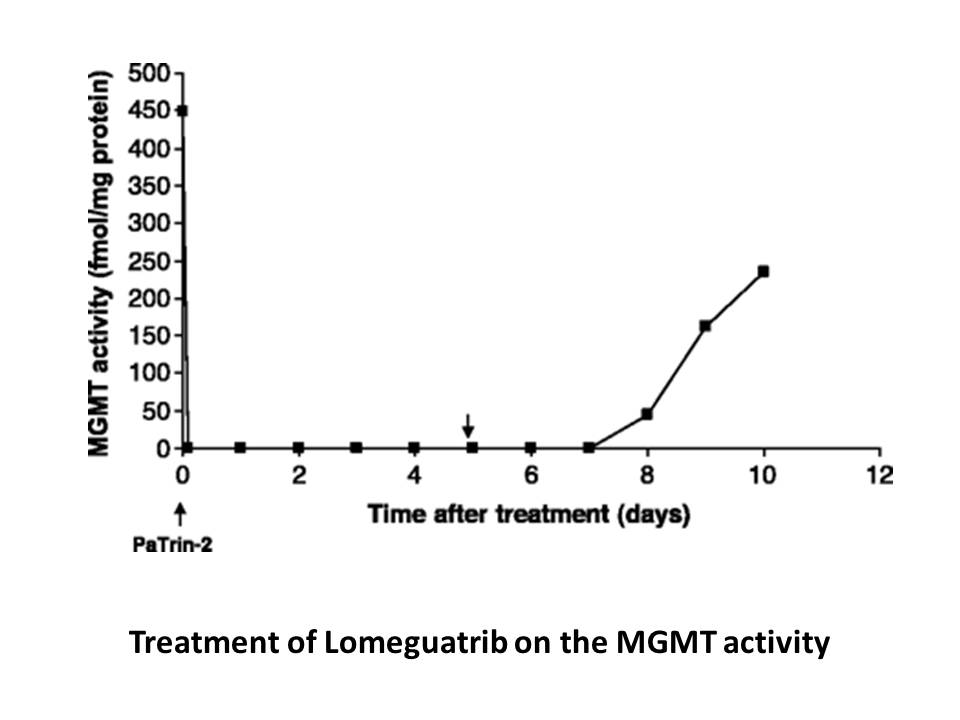
Based upon these findings, the 12S-lipoxygenase seems to increase membrane excitability by specifically inhibiting M-type K+ channels. The 12S-lipoxygenase is expressed in many parts of mammalian Lovastatin including the cerebrum, cerebellum, hypothalamus, basal ganglia, hippocampus, olfactory bulb
-
br Experimental Procedures br Acknowledgments We thank the m
2023-10-03
Experimental Procedures Acknowledgments We thank the members of the Qing laboratory for helpful suggestions and Biotree Biotech Co., Ltd. (Shanghai, China) for metabolomics analysis and data interpretation. This study was supported by the National Key Research and Development Program of China
-
The complex role of the human
2023-10-03
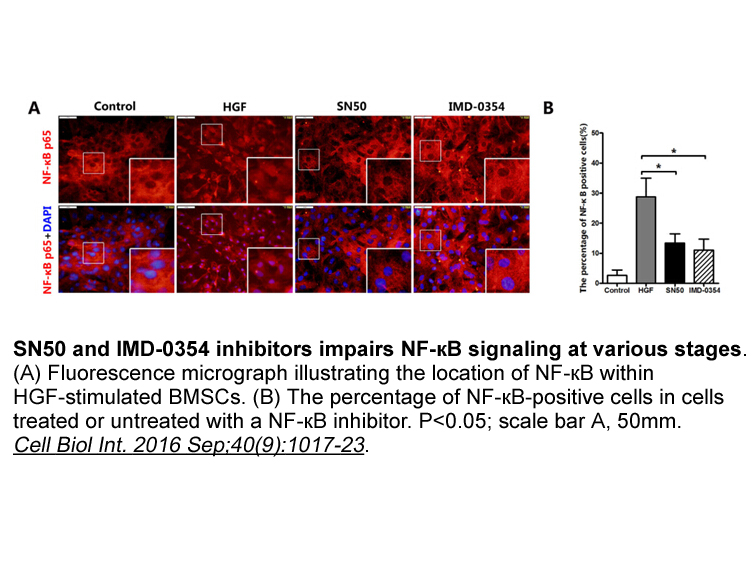
The complex role of the human intestinal microbiota is emerging and its functions has been elucidated when considering energy metabolism, nutrient digestion, vitamin synthesis, epithelial defenses and immune responses [34]. The colon is responsible for salvage of energy and possibly nitrogen from ca
-
br Does TIPARP contribute to the diverse species
2023-10-03
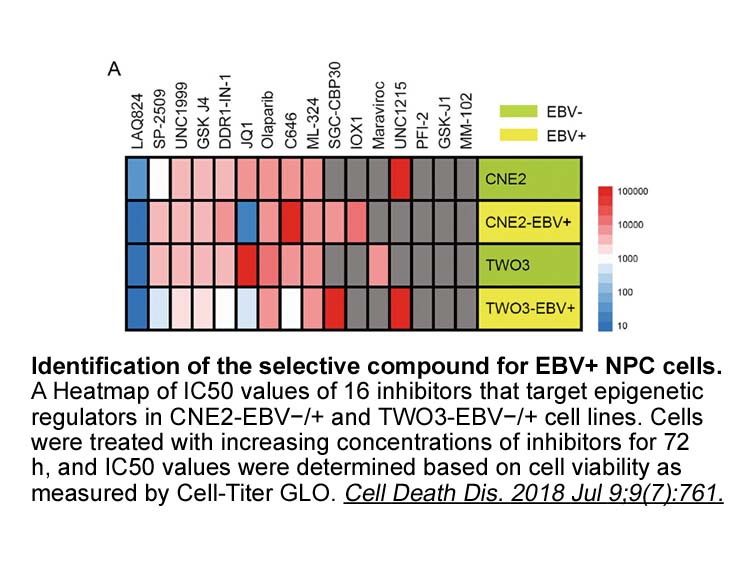
Does TIPARP contribute to the diverse species sensitivity to TCDD toxicity? In chick embryo hepatocytes TIPARP was reported to mediate the TCDD-dependent suppression of hepatic gluconeogenesis, by reducing cellular NAD+ levels and reducing PCK1 expression, suggesting that ADP-ribosylation enhance
-
Adenosine is an endogenous nucleoside that
2023-10-03
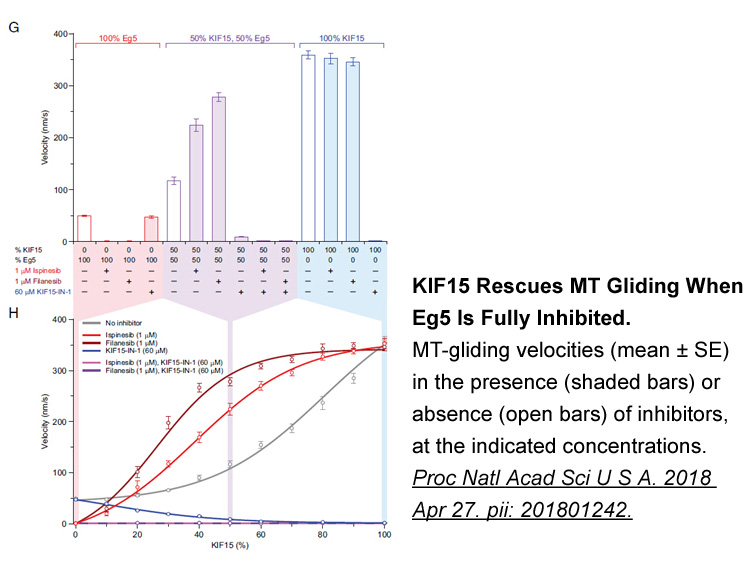
Adenosine is an endogenous nucleoside that plays pivotal roles in different physiological and pathophysiological processes by triggering specific cell-surface receptors both in the neurokinin receptor and in the periphery. The adenosine receptors (ARs) are four different subtypes of G protein-coupl
15928 records 274/1062 page Previous Next First page 上5页 271272273274275 下5页 Last page